Here's the classic Outback story. The oil light never comes on, but at every oil change the shop says it was a quart or two low. Is the engine burning it, leaking it, or is this just how Subarus are? Let's sort it out.
Which Outbacks had the known problem
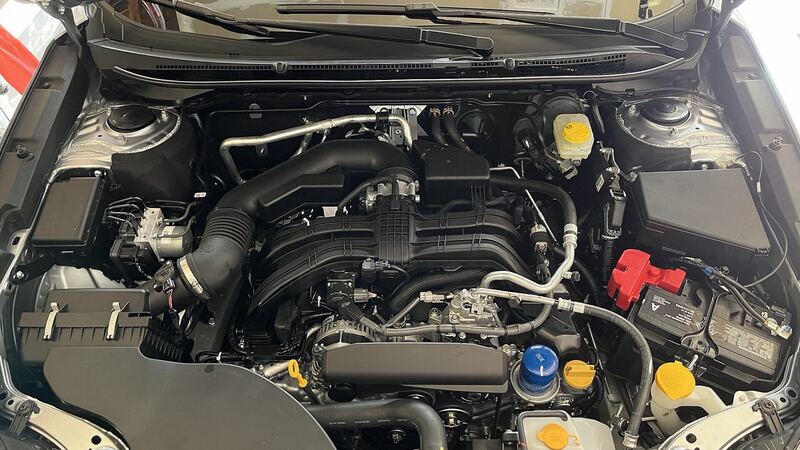
Subaru's FB-series engines (the 2.0L and 2.5L that replaced the older EJ engines) had an oil consumption issue on early versions. The class action, *Yaeger v. Subaru of America*, got final approval on August 31, 2016. For the Outback it covered:
| Outback | Transmission | Covered VINs |
|---|---|---|
| 2013 | Automatic (CVT) | Below VIN *321435 |
| 2013-2014 | Manual | All |
Subaru said production changes fixed the condition, which is why not every 2013 CVT car was included. Covered owners got the oil consumption warranty extended from 5 years/60,000 miles to 8 years/100,000 miles, plus reimbursement for past repairs, rentals, towing and extra oil. Dealers followed Subaru bulletin 02-157-14R to diagnose and repair. Since the newest covered cars are 2014 models, that extension has expired on all of them.
How much oil use is "normal"?
When Consumer Reports looked into oil-burning engines, Subaru told it that a quart every 1,000 to 1,200 miles was considered acceptable. Consumer Reports' own view was tougher: a late-model car needing a quart or more between oil changes isn't acceptable, though some burning as an engine nears 100,000 miles is normal. Subaru said most of its cars performed within spec.
Translation: a dealer may tell you a quart per thousand miles is "within spec." You don't have to love it, but it's why documentation matters.
Burning or leaking? How to tell
- Oil spots on the driveway: that's a leak, not burning. Look for wet, grimy areas around the valve covers, oil pan and filter.
- Burning-oil smell after a drive: oil is dripping onto hot exhaust parts. Usually a leak.
- Blue-gray smoke at startup or under acceleration: oil is getting burned inside the engine.
- Level drops, no drips, no smell: classic consumption.
- Oil-fouled spark plugs or a misfire code: heavy burning can foul plugs.
The dealer oil consumption test
If your car is under warranty, the dealer's process usually goes like this: they change the oil, seal or mark the drain plug and filter, send you off to drive a set distance, then measure how much oil is missing. Under the settlement, the test itself was free for covered cars. For other cars under warranty, ask whether it's covered before they start.
What it costs
| Situation | Typical cost |
|---|---|
| Checking the dipstick and keeping a log | Free |
| Oil change, 2015 Outback | About $88 to $113 (KBB, Columbus, OH ZIP) |
| Oil consumption test, car under powertrain warranty | Usually $0 (ask first) |
| Engine repair for burning, under powertrain warranty | Usually $0 |
| Engine repair for burning, out of warranty | Get a written quote, this is the big-ticket one |
| External leak (gaskets, seals) | Depends on location, ask for an itemized quote |
Easy things to try first
- Use the exact oil Subaru specifies (viscosity and spec in your owner's manual).
- Don't overfill. Too much oil can get pushed out through the PCV system and burned.
- Stick to the oil change interval, and keep the receipts.
- Find leaks the cheap way: clean the engine underside, drive a few days, and look for fresh oil.
What to ask the shop
- "Can you do an oil consumption test, and what's the pass/fail threshold?"
- "Is this burning or an external leak? Can you show me where?"
- "Is this covered by my powertrain warranty?"
- "Are there any bulletins for my VIN?"
Is it worth fixing?
A small external leak? Fix it, it's cheap insurance against bigger damage. Mild burning on a high-mileage car? Many owners just top up and watch it. Heavy burning on a car that's otherwise solid? Get a quote, then compare it to the car's value before you commit.
More on this wagon lives on the Subaru Outback repair page. Glass trouble too? See our Outback windshield and EyeSight guide. Information checked October 14, 2026.