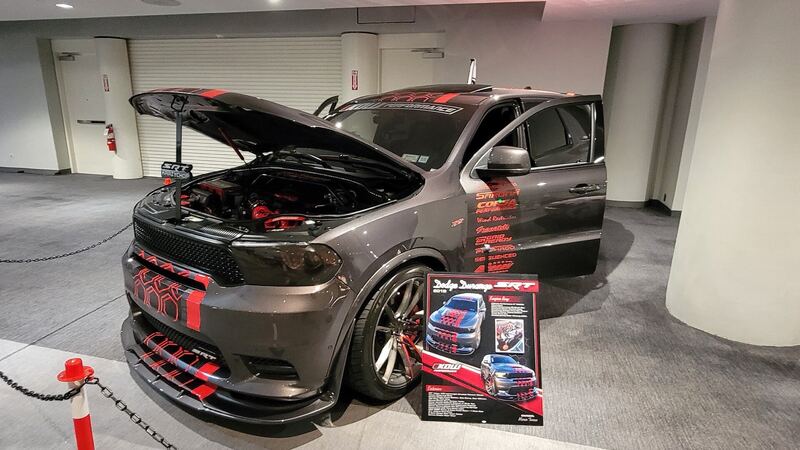
A Durango is a big, heavy SUV, and plenty of them tow. That's hard on brakes. Squeals, grinding or a shaky steering wheel are your Durango's way of asking for a brake job. Here's what that should cost and what to check first.
What a Durango brake job costs
| Job | Typical cost | Notes |
|---|---|---|
| Brake pad replacement (RepairPal average) | $495 to $589 | Labor plus parts |
| 2003 Durango pads (RepairPal) | $268 to $325 | Older, lighter generation |
| 2023 Durango pads (RepairPal) | $565 to $622 | Current generation |
| Rotors with pads | Higher, ask for a quote | Rotors add parts cost and labor |
| Open recall work | $0 | At any Dodge/Chrysler dealer |
SRT models with big performance brakes cost more for pads and rotors than an SXT or GT. If you have one, ask for a quote for your exact trim instead of trusting a generic price.
Recall 14V-154: brake booster (2011-2014 Durango)
This recall (Chrysler campaign P14) covers about 646,498 2011-2014 Jeep Grand Cherokees and Dodge Durangos built January 5, 2010, through September 8, 2013. The center shell of the brake booster can corrode and let water in. In freezing weather that water can freeze and limit your braking.
The free fix: the dealer tests the booster's vacuum. If it passes, they add a water diverter shield. If it fails, they replace the booster.
Recall 16V-168: left front caliper (2015-2016 Durango)
Some 2015 and 2016 Durangos and Grand Cherokees may have a left front brake caliper housing made from the wrong material. Under extreme braking it can rupture, which makes stopping distances longer. The dealer checks the caliper's date code and replaces it if needed, free. NHTSA's recall notice estimates about an hour for the job.
How to tell what's wrong
- High-pitched squeal when braking: often the pad wear indicator. Pads are getting low.
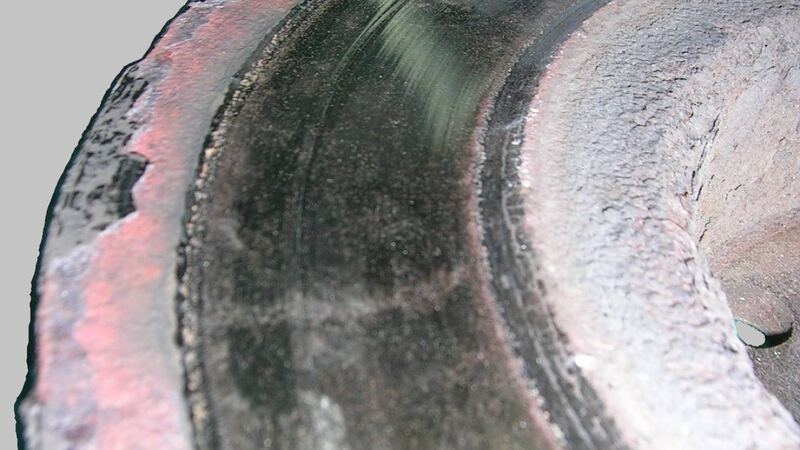
- Grinding or scraping: pads may be down to metal. Rotors are probably getting damaged. Get it in now.
- Steering wheel or pedal shakes when braking: rotors are likely warped or unevenly worn.
- Soft or sinking pedal: possible fluid leak, air in the lines or a master cylinder problem. Don't drive it.
- Hard pedal that needs a big push: could be a booster problem. On a 2011-2014, think recall 14V-154.
- Pulls to one side when stopping: a sticking caliper or uneven pad wear.
Easy things to check first
- Look through the wheel spokes at the outer pad. If it looks thinner than about the thickness of a pencil eraser, it's time.
- Check the brake fluid level under the hood. Low fluid usually means worn pads or a leak.
- Listen at low speed with the windows down. Noises are easier to place.
- If you tow, check brakes more often. A loaded trailer makes the brakes do a lot more work.
What to ask the shop
- "Do I need rotors, or can they be resurfaced?"
- "Are the pads ceramic or semi-metallic, and do they suit towing?"
- "Is a brake fluid flush actually due, or just recommended?"
- "Is the quote for front only, rear only, or both axles?"
- "Have you checked my VIN for open brake recalls?"
Is it worth fixing?
Brakes are never optional. The real question is how much to spend. Do the recall check first, replace pads before they grind (that's how a pad job turns into a pad and rotor job), and get two quotes for anything over a basic pad swap. A heavy SUV that stops well is worth every dollar.
Everything else about this SUV is on the Dodge Durango repair page. Got a rough idle or a flashing check engine light? See our Durango misfire and engine tick guide. Prices checked October 14, 2026.