Brakes are the one part of your truck you really don't want to cheap out on, but you also don't want to pay for rotors you didn't need. Here's what a Ranger brake job really costs and how to keep the bill honest.
What a Ranger brake job costs
| Job | DIY parts | Independent shop | Notes |
|---|---|---|---|
| Pads, one axle (2022-2025) | Pads only | $248-$305 (RepairPal estimate) | Done in pairs, both wheels on the axle |
| Rear pads (2019+) | About $75 for Ford pads (owner report) | In the same range as the front | Needs a caliper wind-back tool |
| Pads plus rotors | Pads plus two rotors | More than pads only, get a quote | Rotors should be checked every time |
| Parking brake adjustment (2019) | n/a | $52-$76 (RepairPal estimate) | Cable-type parking brake |
RepairPal's estimates don't list a price for the 2021 model year, and they don't break out parts versus labor. Use them as a fair-price yardstick, not a quote.
Front and rear: what's on your truck
The 2019 and newer US Ranger has disc brakes at all four corners. Owners on the Ranger5G forum doing rear pad jobs on 2019-2024 trucks describe the usual setup: two caliper bolts, pull the caliper off the bracket, swap pads. The fronts are the easy part. The rears have a twist.
The rear caliper trick
The rear calipers on 2019+ Rangers also run the parking brake, through a cable. That means you can't just squeeze the piston back with a C-clamp like you can up front. Owners say the piston has to be turned while you push it in: counterclockwise on the driver side, clockwise on the passenger side. Some calipers have an arrow cast into them showing the direction.
A cheap caliper wind-back tool set does the job. A C-clamp alone won't, and forcing it can wreck the caliper. You don't have to disconnect the parking brake cable to do the pads.
How to tell what you actually need
- High-pitched squeal when braking: Usually the wear indicator. Pads are getting low but you've got a little time.
- Grinding: Metal on metal. Pads are gone and the rotor is probably getting chewed up. Stop putting this off.
- Steering wheel or pedal shakes when stopping: Often warped or unevenly worn rotors.
- Truck pulls to one side when braking: Could be a sticking caliper or slide pin, not just pads.
- Soft or sinking pedal: That's a hydraulic problem (fluid leak, air, master cylinder). Don't drive it.
Easy things to check first
- Look through the wheel spokes. You can often see how much pad material is left. Less than about the thickness of a couple of stacked coins is time.
- Check the brake fluid level. It drops slowly as pads wear. A sudden drop means a leak.
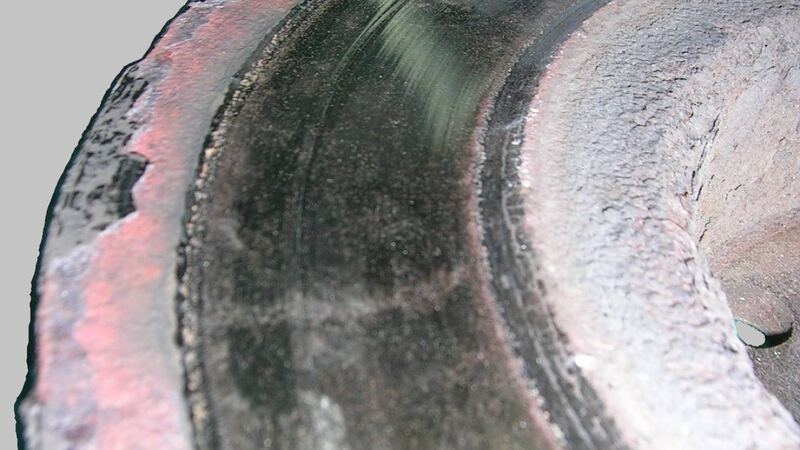
- Feel the rotor edge (when cool). A big lip on the outer edge means a lot of wear.
- Check for open recalls at nhtsa.gov/recalls with your VIN. Any recall work is free at a Ford dealer.
What to ask the shop before paying
- "Is this price for one axle or both?"
- "Do my rotors measure under the minimum thickness, or are you replacing them by default?"
- "Are these Ford (Motorcraft) pads or aftermarket, and what's the warranty?"
- "Does the price include cleaning and lubing the slide pins?"
- "Will you check the brake fluid and the rear parking brake?"
Rotors are the big upsell. RepairPal notes they should be inspected and may need resurfacing or replacement, which is fair. Just ask to see the measurement or the damage before you say yes.
Is it worth fixing?
Always. Brakes aren't a repair-or-replace decision, they're a must-do. The smart move is catching it at the squeal stage, before you need rotors too. If your truck also has shifting complaints, see our Ranger 10-speed transmission guide, and for more fixes visit the Ford Ranger repair page.
Prices checked October 14, 2026.