Say your CR-V starts making a high-pitched squeal every time you slow down for a light. Or worse, a grinding noise. Either way, your brakes are asking for attention, and the good news is a pad job on a CR-V is one of the more affordable brake repairs out there.
What it costs
| CR-V model year | RepairPal estimate (pads, one axle) |
|---|---|
| All CR-V (average) | $264-$321 |
| 2022 | $265-$322 |
| 2023 | $260-$317 |
| 2024 | $265-$322 |
| 2025 | $260-$317 |
| 2026 | $265-$322 |
That's for pads done in pairs, which is how it should always be done. RepairPal notes that rotors should be inspected whenever pads are replaced and may need resurfacing or replacement, so ask whether rotors are in the quote. That's the most common way a "$280 brake job" turns into a bigger bill.
| Where | What to expect |
|---|---|
| Independent shop | Around RepairPal's range for pads. Rotors extra if needed |
| Honda dealer | Get a quote. Often priced higher, with genuine Honda pads |
| DIY, front pads | Parts only, plus your weekend. Very doable with the right tools |
| DIY, rear pads on 2017+ | Needs a scan tool that supports Honda's brake maintenance mode |
Signs your CR-V needs pads
- Squealing or squeaking when you brake. Many pads have a wear indicator that does this on purpose.
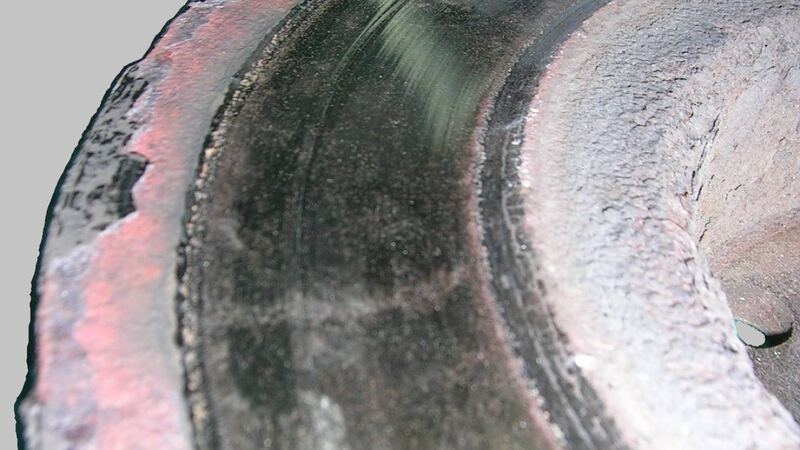
- Grinding. That can mean metal on metal, and RepairPal points out that replacing pads early can save the rotors.
- Vibration or a pulsing pedal, which often points to rotors.
- A brake inspection note at your last oil change. The Maintenance Minder B service includes a brake check.
The rear brake catch on 2017+ CR-Vs
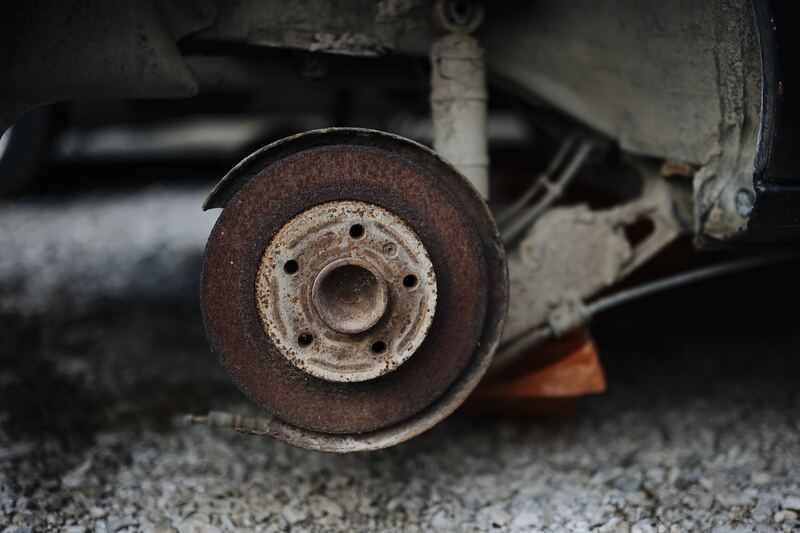
The fifth-generation CR-V (2017 and newer) uses an electronic parking brake. Instead of a cable, small motors sit on the rear calipers, controlled by the stability control (VSA) module. Here's what that means for a brake job:
- To replace the rear pads, a scan tool has to put the system in brake maintenance mode so the rear calipers retract.
- After the new pads are in, the scan tool is needed again to put the system back to normal.
- The system adjusts itself for pad wear. If the parking brake isn't used for about 625 miles, it automatically applies and releases at a short stop to re-adjust. If you feel that once in a while, it's normal.
What a proper brake job on this CR-V includes
Trade magazine Tomorrow's Technician lists a few details that matter on the 2017+ CR-V, and they're good to know before you hand over your keys:
- Front pads use clips on the pad ears instead of the old spreader springs. They're fiddly, but they cut noise and need to go back on.
- The upper and lower caliper pins are different. Swap them and you get vibration and uneven, fast pad wear.
- The shims stay. The factory floating shims cut vibration. Replacement pads should match or beat that design.
- Ceramic pads, matching the original material.
- A look at the brake fluid and the rear pads while the car's in the air.
Brake fluid is its own service. Honda's Maintenance Minder shows code 7 when it's due, and Honda manuals (the 2016 Civic manual, for example) call for new brake fluid every three years. Check your CR-V's manual and the Minder before agreeing to a flush, so you're not paying for it twice.
What to ask the shop before you pay
- "Is this front, rear or both, and what's the price per axle?"
- "Are rotors included? Resurfaced or replaced?"
- "What pads are you using: genuine Honda, or ceramic aftermarket?"
- "Do you have a scan tool for the electronic parking brake?" (For rear pads on 2017+.)
- "What's the warranty on parts and labor?"
Also run your VIN at nhtsa.gov/recalls before any brake work. If a safety recall applies to your CR-V, Honda dealers fix it free.
Is it worth fixing?
Always. Brakes aren't a repair-or-replace question, they're a when-and-where question. Fix them early (squeal stage, not grind stage) and you'll usually keep it to pads only. After the job, RepairPal suggests braking gently for the first 40 to 50 miles so the new pads bed in.
Own a 2017-2018 CR-V with the 1.5T? Read up on the oil dilution problem too. Prices checked October 14, 2026.