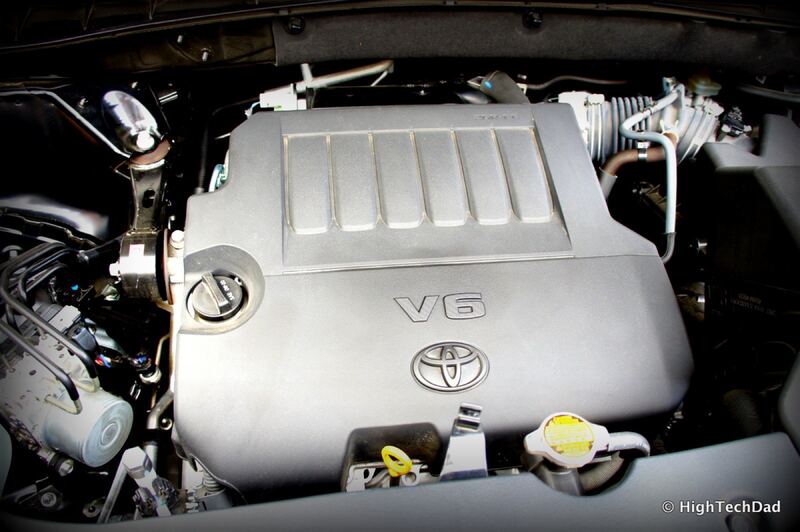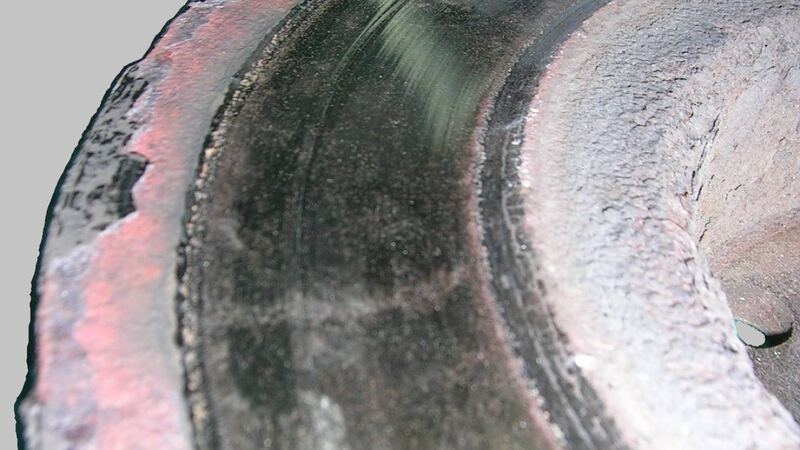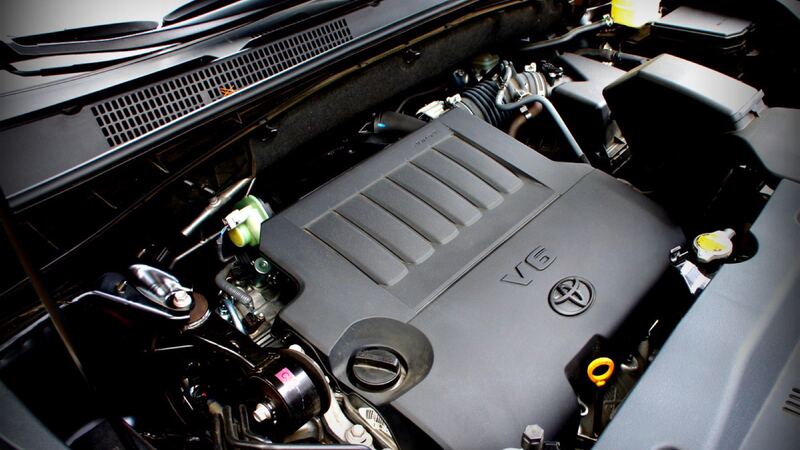
Pop the hood on a lot of older Highlanders and you'll find a little pink or white crust around the water pump. That's dried Toyota coolant. Sometimes it means the pump is on its way out. Sometimes it means nothing. Toyota actually wrote a bulletin about telling the difference, and it involves a paper towel. Fancy.
What it costs by year
| Highlander years | RepairPal estimate |
|---|---|
| 2004-2005 | $637-$838 |
| 2006-2007 | $759-$1,017 |
| 2008-2009 | $948-$1,238 |
| 2010 | $943-$1,241 |
| 2011-2013 | $918-$1,216 |
| 2014-2016 | $1,113-$1,515 |
| 2022 | $800-$1,068 |
| 2023-2024 | $724-$923 |
| 2025 | $934-$1,133 |
RepairPal's page doesn't clearly tie a price to 2017-2021, so get a local quote for those years. Expect to also pay for fresh Toyota coolant, and many shops suggest doing the drive belt (and sometimes the thermostat) while they're in there.
Toyota's paper towel test
Toyota's bulletin T-SB-0117-11 covers water pump leaks on a long list of Toyotas, including the 2008-2011 Highlander and 2011 Highlander Hybrid. Its main point: water pumps have a weep hole, and a little seepage can happen when debris gets trapped in the pump's mechanical seal. That kind of leak is temporary and can stop on its own.
The bulletin says to replace the pump when any of these is true:
- The coolant level is below the "Low" mark and the pump looks like it's leaking
- The pulley or bearing has excessive play or doesn't spin smoothly
- Heavy coolant deposits cover the pump and surrounding parts
If none of those apply, the tech presses a dry paper towel against the deposits around the weep hole. Wet towel: current leak, replace the pump. Dry towel: temporary leak, and in Toyota's words, "water pump replacement is not necessary."
Hybrid owners: the electric pump bulletin
The 2020 Highlander Hybrid with the 2.5-liter A25A engine uses an electric water pump. Toyota's bulletin T-TT-0614-20 (May 2020) describes a check engine light with codes P26CB71, P26CA14 or P26CA31, and/or a coolant leak from the electric pump body or its connector. At the time it said the issue was under investigation and told dealers to call Toyota technical support before repairing. If your 2020 Hybrid shows those codes, a dealer visit is the right first step, and it may be covered by Toyota's hybrid warranty.
Signs your pump is failing
- Pink or white crust or drips at the front of the engine
- The coolant reservoir keeps dropping
- A whine, squeal or grinding from the front of the engine (bearing)
- Temperature gauge creeping higher than normal
- Sweet smell after a drive
Easy things to check first
- Is it really the pump? Hoses, the radiator and the thermostat housing all leak too, and they're cheaper. Look for the highest wet spot.
- Check the cap. A tired cap can let coolant escape and fool you into thinking something worse is going on.
- Top off with the right coolant. Toyota uses its own pink long-life coolant. Mixing random green stuff is a bad idea.
- Watch the level for a week. A pump that's truly leaking will keep dropping it.
What to ask the shop
- "Did you do the T-SB-0117-11 check, and was the towel wet?"
- "Is the bearing loose, or is it only seeping?"
- "Is this a genuine Toyota pump or aftermarket, and what's the warranty?"
- "Does the price include Toyota coolant and a pressure test after?"
Is it worth fixing?
A truly leaking pump, yes, every time. It's a known wear item on a vehicle that can easily run well past 200,000 miles, and ignoring it risks overheating the engine. A dry weep hole with light crust? Toyota's own bulletin says leave it and keep an eye on the coolant level. More Highlander help is on the Toyota Highlander page, and for oil drips see our Highlander V6 oil leak guide. Prices checked October 14, 2026.