You turn the key or push the button and get a click. Maybe a rapid-fire clicking. Maybe nothing at all. The dash lights work, the radio works, but the engine doesn't spin. On a Tundra that sinking feeling is followed by a second one: "Isn't the starter on these buried somewhere awful?"
On some of them, yes. Here's what you're looking at.
What it costs by year
| Tundra years | RepairPal estimate | Owner reports (TrueDelta) |
|---|---|---|
| 2000-2006 | $731-$1,206 | $750 (2005, included an O2 sensor) |
| 2007-2011 | $914-$1,437 | $1,000-$1,200 (2007 5.7L trucks) |
| 2012 | $914-$1,320 | not listed |
| 2018-2021 | $792-$1,141 | not listed |
| 2022-2023, no start | Check recall 24V-381 first | Free engine replacement if covered |
RepairPal doesn't break out every single year, so if your year isn't listed, assume something in the same neighborhood and get a quote.
Why the labor is so high
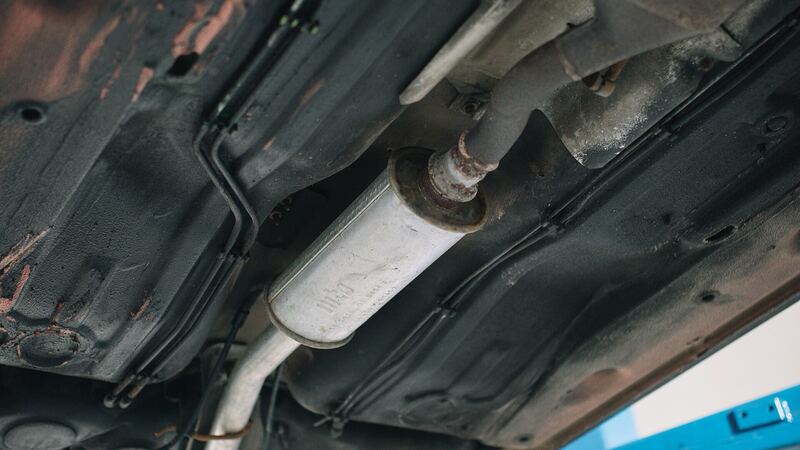
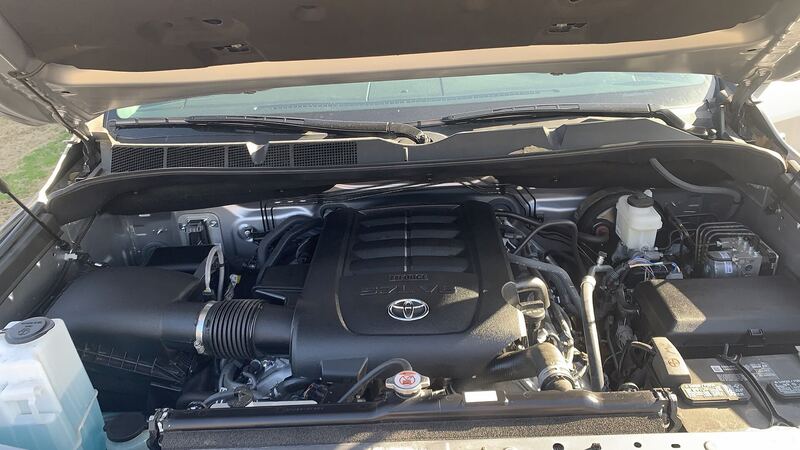
On the older 4.7-liter V8 (in 2000-2009 Tundras), the starter sits in the "valley" of the V, under the intake manifold. Forum members on Toyota-4Runner.org, talking about the same V8, describe it as buried under the intake, with the fuel rail running over it, so the top of the engine has to come apart. They put the labor at about 4 hours.
For the 5.7-liter V8 (2007-2021), one IH8MUD forum member was quoted "a 6 hour job" and about $1,500, and said the dealer didn't even have the starter or starter relay in stock. Shops differ on the exact book time, but either way, this isn't a parking-lot swap.
Is it really the starter?
A dead starter and a weak battery can look identical. Check the cheap stuff first:
- One loud click, no crank, lights stay bright: classic starter or starter relay symptom.
- Rapid clicking, lights dim or flicker: usually a weak battery or bad connection, not the starter.
- Nothing at all: could be the battery, a blown fuse, the starter relay, the neutral safety switch or the starter.
- Cranks slowly then starts: battery or cables first, starter second.
Easy tests you can do:
- Measure battery voltage. A rested, healthy battery reads around 12.6 volts. Most auto parts stores will load-test it free.
- Clean and tighten the terminals. Corroded or loose clamps cause more "dead starter" scares than starters do.
- Try a jump. If it cranks fine on a jump, you probably don't need a starter.
- Try neutral. If it starts in Neutral but not Park, suspect the shifter's neutral safety switch, not the starter.
2022-2023 Tundra: check the recall first
If you have a 2022 or 2023 Tundra with the twin-turbo V6 (V35A) and it won't start, knocks or stalls, check your VIN at nhtsa.gov/recalls before you think about starters. Toyota's recall 24V-381 covers about 102,092 2022-2023 Tundras (built November 2021 to February 2023) plus some Lexus LX600s. Machining debris left in the engine can damage the crankshaft main bearings. Listed symptoms include engine knocking, rough running, no start and stalling. The remedy is a new engine assembly, free at a Toyota dealer.
What to ask the shop
- "Did you test the battery and cables before diagnosing the starter?"
- "Is this a new Toyota starter, a new aftermarket one or a reman?"
- "How many labor hours are you charging, and does that include the intake gaskets if the intake comes off?"
- "What's the warranty on the part and the labor?"
Is it worth fixing?
Absolutely. A starter is a one-time repair on a truck that can run a very long time. The smart move is making sure it really is the starter, then paying for good parts so you aren't paying that labor bill again. More Tundra help is on the Toyota Tundra page, and if your check engine light says P2440, see our Tundra air injection pump guide. Prices and recall details checked October 14, 2026.