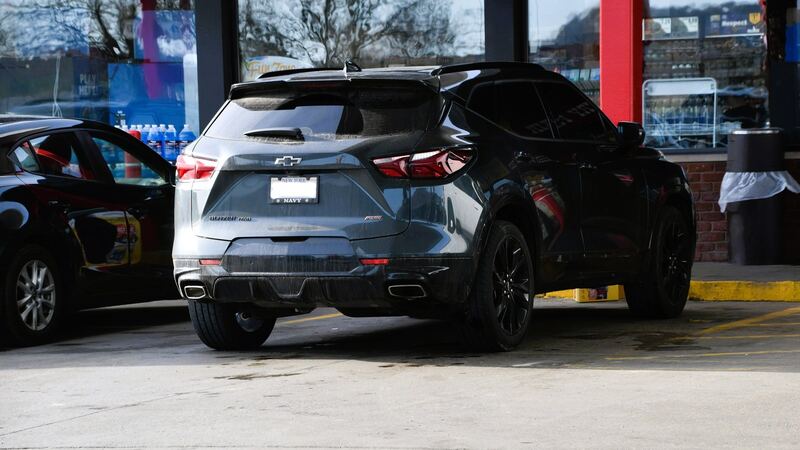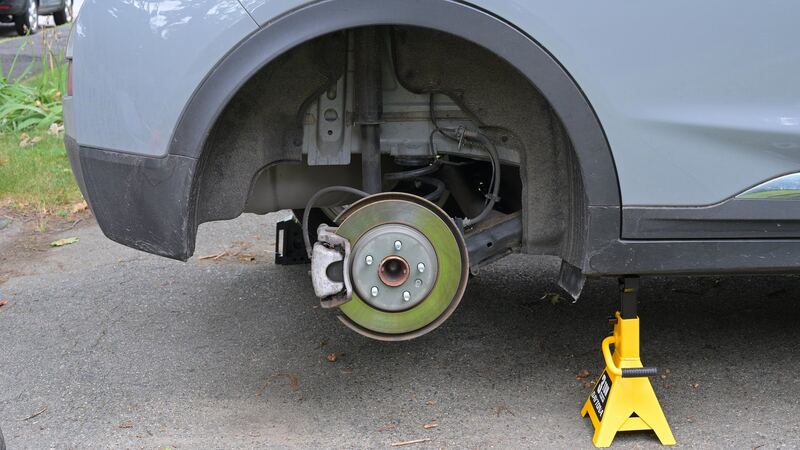
The current Blazer (2019 and newer) is a heavy, wide-tired midsize SUV, and it chews through brakes like one. Pads are a normal wear item. What trips owners up is the noise: some Blazers squeal from day one, and it's hard to tell "annoying" from "needs work now." Let's fix that.
What brake pads cost on a Blazer
| Model year | Pads, one axle, at a shop (RepairPal) |
|---|---|
| 2023-2024 | $304 to $361 |
| 2025 | $403 to $460 |
| 2026 | $371 to $428 |
| 2019-2022 | Not listed by RepairPal, expect a similar range and get a written quote |
Rotors are extra. RepairPal notes rotors should be inspected every time pads are replaced and may need resurfacing or replacement depending on condition. If you've been grinding, plan on rotors.
The 2019 Blazer rear squeal
GM's bulletin 19-NA-115 covers the 2019 Blazer (plus 2018-2020 Traverse and Enclave, 2017-2019 XT5 and Acadia, and the 2020 XT6). Condition: a squeal from the rear brakes when stopping. GM's stated cause: the shim material on the rear disc brake pads. The fix: replace the rear pads with a redesigned set using new shim material, part number 84757793.
GM's TechLink adds a handy detail: the inner rear pad has a wear sensor on its leading edge. So if the noise is a constant squeal even with fresh pads, it's likely the shim issue. If it shows up as the pads get thin, it's the wear sensor doing its job.
Owners of later Blazers report squeal too. In NHTSA complaints, a 2021 Blazer owner said the brakes squealed "all the time" from new and the dealer called it normal. Another 2021 owner reported grinding and was told the dealer knew about it but had no fix. Those are owner reports, not GM findings, but they're worth mentioning to your dealer if it happens to you.
Squeal, grind, or something else?
- Squeal on light stops, pads still thick. Likely shim or pad material noise. Annoying, not dangerous. Ask about 19-NA-115 on a 2019.
- Squeal that's new and getting louder. Probably the wear sensor. Book pads.
- Grinding or scraping. Metal on metal. Rotors are getting chewed up and stopping distances grow. Stop putting it off.
- Pulsing pedal. Warped or unevenly worn rotors.
- ABS or brake warning lights. Not a pad problem. Get it scanned.
Easy things to check yourself
- Peek through the wheel spokes at the outer pad. If it's down to a few millimeters, it's time.
- Check brake fluid in the reservoir under the hood. It drops slowly as pads wear, but a sudden drop means a leak.
- Note when it squeals. Only the first few stops on a wet morning is usually surface rust, which wipes off.
Break-in matters
RepairPal recommends gentle braking for the first 40 to 50 miles on new pads so they bed in properly. Skipping that is a common reason new pads squeal.
What to ask the shop
- "Is this quote for front, rear or both, and does it include rotors?"
- "What do my rotors measure? Can I see it?"
- "On my 2019, are you installing the updated GM rear pads from bulletin 19-NA-115?"
- "Do you use a scan tool to service the electronic parking brake?"
- "What's the warranty on pads and labor?"
Is it worth fixing?
Always. Brakes aren't optional. The only decision is how much you spend, and catching it at the squeal stage instead of the grind stage keeps rotors off the bill.
More Blazer repair info is on the Chevrolet Blazer page. Battery dying overnight? See our Blazer dead battery guide. Prices checked October 14, 2026.