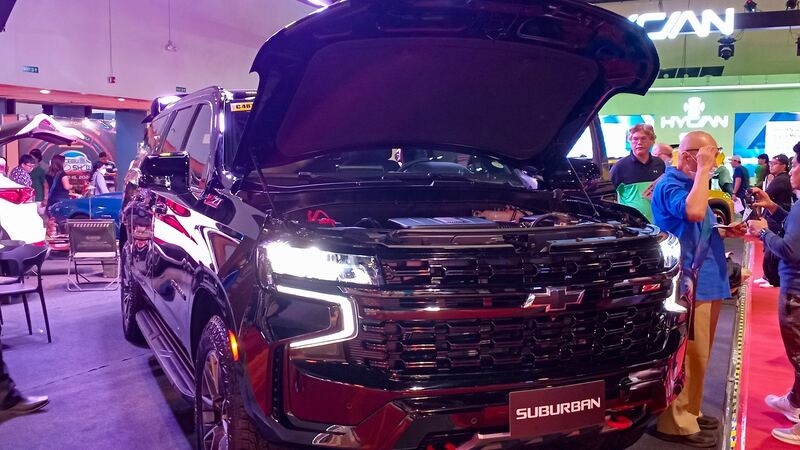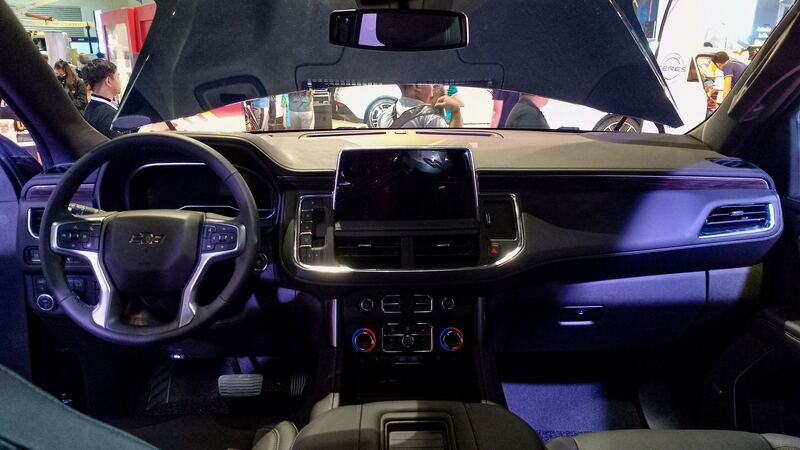
A Suburban has a lot of glass and a lot of cabin to cool, often with a third-row AC system behind it. When the air goes lukewarm on a July afternoon, everybody in the back lets you know. The good news is that the most common cause is also one of the cheaper ones to fix, as long as the shop actually finds it.
What GM says is going on
GM's TechLink article on bulletin 25-NA-191 covers the 2021-2025 Tahoe, Suburban, Yukon and Escalade. Warranty analysis found that several replaced evaporators and other AC parts came back with "No Trouble Found." GM's conclusion: poor AC performance was often refrigerant loss, so swapping big parts didn't fix it. The leak spots GM lists:
- The front HVAC drain area, over the transmission case
- The AC refrigerant heat exchanger
- AC condenser connections
- AC pipes and connectors
- Fittings, seals and hoses
GM adds that some leaks take anywhere from 15 minutes to 7 days to show up. That's why a quick "looks fine to me" check can miss them.
Symptoms owners describe
- Air that's cool but never cold, especially in traffic
- Warm air for 10 to 30 seconds, then cold again (owners on TahoeYukonForum report this on 2021-2024 GM full-size SUVs, often after cornering or braking)
- AC that's great in the morning and weak by afternoon
- Cold air up front but weak in the back
Those forum reports are owner experiences, not GM findings. Some owners say a dealer found the system overcharged, others were told it was low. That's another reason to insist on a proper pressure and leak test instead of a top-off.
Easy things to check first
- Cabin air filter. A clogged one cuts airflow and makes the AC feel weak. It's cheap and easy to swap.
- Recirculate mode. On a hot day, recirculate cools much faster.
- Condenser in front of the radiator. Bugs, leaves and road debris block airflow. A gentle rinse with a garden hose (not a pressure washer) can help.
- Listen for the compressor clutch. A click when you turn the AC on is normal. Grinding or squealing from the compressor is not.
What it costs
| Repair | Model years | Estimated cost (RepairPal) |
|---|---|---|
| AC recharge | 2021 | $385 to $472 |
| AC compressor replacement | 2021-2025 | $1,132 to $1,409 |
| AC compressor replacement | 2019-2020 | $914 to $1,186 |
| Leak search with dye | Any | Usually billed as diagnosis time, ask for a quote |
| Repair under GM's 3-year/36,000-mile warranty | 2023 and newer (most) | Usually $0 |
The recharge price looks high compared with older cars because 2021 and newer Suburbans use R-1234yf refrigerant, which costs more than the old R-134a, and the shop needs special equipment for it.
What to ask the shop
- "Did you do a leak test with dye and an electronic detector, not just a recharge?"
- "Is the system low, overcharged, or at spec?"
- "Did you check the condenser connections and the HVAC drain area GM lists in bulletin 25-NA-191?"
- "If you're replacing the compressor, why? What did the pressures show?"
- "Is any of this still under my bumper-to-bumper warranty?"
Is it worth fixing?
Yes. A Suburban without AC is a sauna with seat belts. Start with a proper leak test. If it's a fitting or seal, the bill stays modest. If the compressor really is done, you're looking at over a thousand dollars, which is still a normal repair for a vehicle this size.
More Suburban info lives on the Chevrolet Suburban page. Transmission acting up too? Read our Suburban 10-speed guide. Prices checked October 14, 2026.