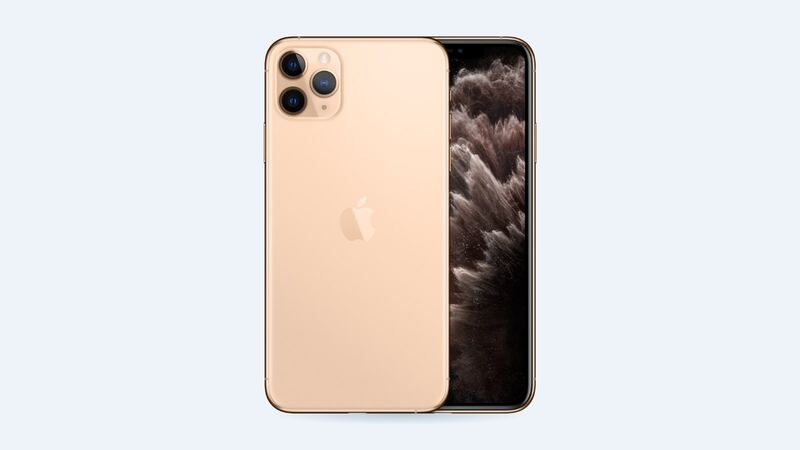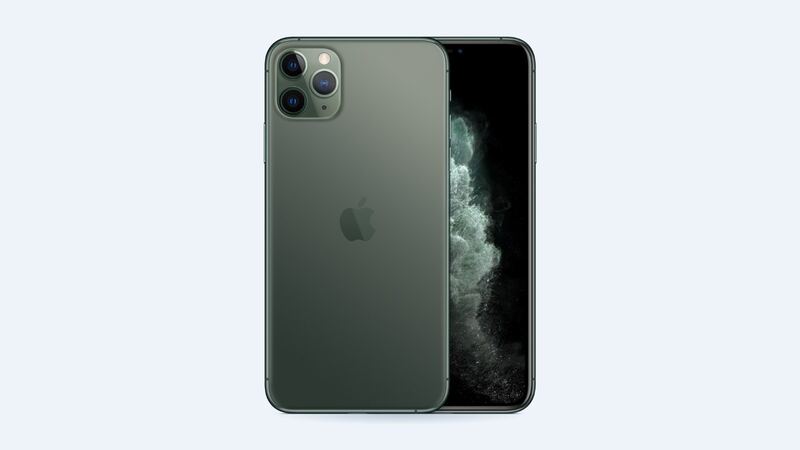
The iPhone 11 Pro Max came out in 2019, and a lot of them are still kicking around as second phones, kid phones and "my battery is fine, why upgrade" phones. When the screen cracks, the big question isn't really where to take it. It's how much of the phone's value you want to spend on glass.
Spoiler: $329 is a lot of money for a phone Apple now calls vintage. But a $60 screen has catches too. Let's sort it out.
What Apple charges
These are Apple's own US prices for the iPhone 11 Pro Max, from its repair price tool.
| Repair | Apple price | With AppleCare+ |
|---|---|---|
| Cracked screen | $329 | $29 |
| Battery | $89 | $0 |
| Other damage (back glass, bent frame, etc.) | $599 | $99 |
Apple puts in a genuine OLED screen. Prices are before tax. Honestly, most 11 Pro Max owners won't still have AppleCare+ in 2026, but if you kept paying for it monthly, check. $29 is a steal.
Your three screen options
The 11 Pro Max shipped with a 6.5-inch OLED screen (Apple calls it Super Retina XDR). When a shop replaces it, you're choosing one of these:
| Screen type | Typical price | What you get |
|---|---|---|
| Aftermarket LCD | $60 to $100 | Cheapest. Thicker border, grayer blacks, dimmer, and it uses more battery |
| Aftermarket OLED | $90 to $150 | Looks close to the original. True blacks, thin borders. Colors can be a hair off |
| Genuine Apple OLED | $329 at Apple | Exactly what came in the phone |
For most people, the aftermarket OLED is the sweet spot on this phone. You keep the deep blacks you're used to, and you save around $180 or more versus Apple. The LCD is fine for a backup phone or a kid's phone that will get dropped again next week.
How to tell what's actually broken
Not every cracked iPhone needs a full screen. Here's a quick check:
- Cracked glass, picture looks normal, touch works: You need a screen, but there's no rush. Put on a cheap screen protector so glass doesn't flake.
- Black spots, green or purple lines, or ink-like blobs: The OLED panel under the glass is damaged. Replace soon, because it usually spreads.
- Screen works but touch is jumpy or dead in one area: Usually the screen, but a shop should rule out a loose connector first.
- Totally black screen but the phone rings and vibrates: Could be the screen or a cable. Have a shop test it with a known-good screen before you pay.
What happens to Face ID and True Tone
On the 11 Pro Max, Face ID comes from the TrueDepth camera system at the top of the phone, not from the OLED panel itself. That means a screen swap doesn't have to touch Face ID. The parts at the top are small and delicate, though, so pick a shop that does this model often and ask them to test Face ID with you before you leave.
Two more things to know:
- True Tone only comes back after a third-party repair if the shop copies the data from your old screen. Good shops do this. Ask.
- After a non-Apple screen, the phone will show the screen as an Unknown Part under Settings > General > About. Apple tracks the display on iPhone 11 models. The phone works fine, but it can lower trade-in value.
Questions to ask the shop before paying
- Is it LCD, aftermarket OLED or genuine?
- Will you transfer True Tone?
- What's the warranty, and does it cover touch problems or dead pixels?
- Do you reseal the phone? (Water resistance is never guaranteed after any repair.)
Is it worth fixing?
With a shop OLED at $90 to $150, usually yes, as long as the rest of the phone is healthy. The 11 Pro Max still gets iOS 27, so it's not a dead end yet. Paying Apple's $329 is harder to justify on a phone this old unless you need a genuine screen for trade-in. If the battery is tired too, read our take on whether the iPhone 11 Pro Max is worth fixing in 2026 before you spend anything.
Every iPhone 11 Pro Max repair price lives on the iPhone 11 Pro Max page. Apple prices checked October 14, 2026; shop prices are typical US ranges.