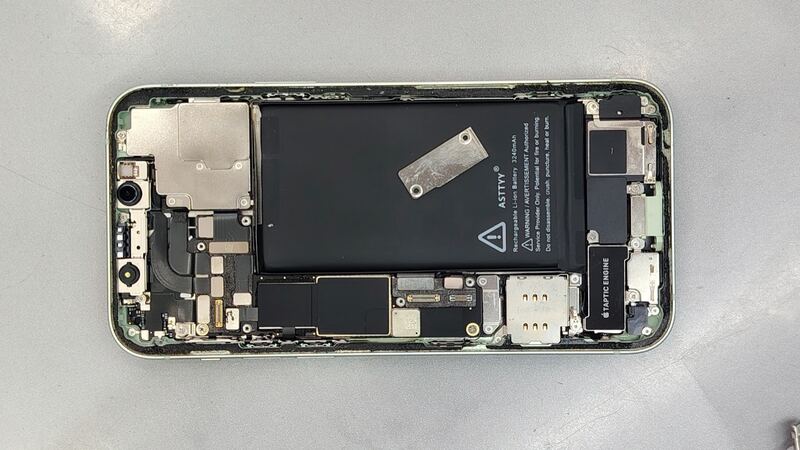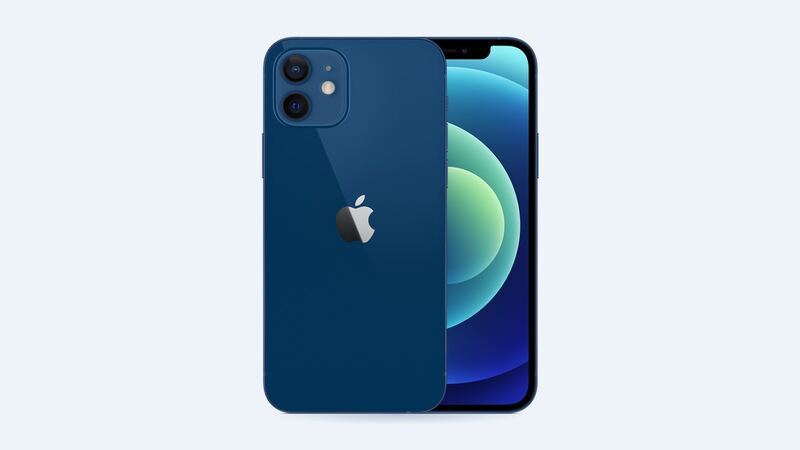
The iPhone 12 came out in 2020 as the first iPhone with a Ceramic Shield front. Tougher glass, sure. Not magic glass. Drop it face-first on a parking lot and you still get the spiderweb. The good news is that pricing this repair is pretty simple once you know there are really only three screens a shop can put back in.
What Apple charges for an iPhone 12
These are Apple's own out-of-warranty prices for the iPhone 12, plus what the same repair costs with AppleCare+.
| Repair | Apple price | With AppleCare+ |
|---|---|---|
| Cracked screen | $279 | $29 |
| Back glass | $349 | $29 |
| Screen and back glass | $449 | Not listed separately |
| Rear camera | $169 | Not listed separately |
| Battery | $89 | $0 |
| Other damage | $449 | $99 |
Apple installs a genuine screen and it's the no-surprises option. It's also the most expensive way to do it if you're paying out of pocket.
Your three screen options
The iPhone 12 shipped with an OLED panel: 2532 by 1170 pixels, 460 pixels per inch, and up to 1200 nits for HDR, per Apple's spec sheet. When a shop replaces it, you're choosing one of these:
| Screen | Typical price | What you get |
|---|---|---|
| Aftermarket LCD | $60 – $100 | Cheapest. Thicker black border, grayer blacks, often dimmer, and it can drain the battery faster |
| Aftermarket OLED | $100 – $170 | Looks close to the original with true blacks. Color and brightness can be a little off |
| Genuine Apple | $279 at Apple ($29 with AppleCare+) | The same screen the phone shipped with |
For most people keeping an iPhone 12 another year or two, the aftermarket OLED is the sweet spot. It looks right, and you keep over $100 in your pocket compared with Apple. The LCD option is fine for a backup phone or a kid's phone, where the price matters more than how it looks next to a friend's.
What Apple says can go wrong with non-genuine screens
Apple publishes a list of problems that can show up with screens that aren't genuine. Not every aftermarket screen has them, but this is what to watch for in the first few days:
- Touch that ignores parts of the screen, or registers touches you didn't make
- The screen staying on during calls, or your cheek hitting buttons
- True Tone not working right, and auto-brightness acting weird
- Colors that look too yellow or too blue
- Lower max brightness, uneven brightness, or a battery that drains faster
How bad is the damage, really?
Picture two cracked iPhone 12s. One has a crack across the corner, but the picture is perfect and touch works everywhere. The other has a green line down the middle and a black blotch that keeps spreading. The first one can wait a little while under a screen protector. The second one has a damaged OLED panel, and those blotches usually grow, so fix it soon.
Quick checks before you pay:
- Drag an app icon slowly across the whole screen. Dead zones mean the touch layer is hurt.
- Open a plain white page and look for lines, tint or dark spots.
- Try Face ID and make a call on speaker and on the earpiece, so you know what worked before the repair.
If touch is glitchy but nothing looks cracked, pull off the screen protector and restart the phone first. A lifted protector causes more fake touches than you'd think.
What to ask the shop before you hand it over
- Is it an LCD or an OLED, and who makes it?
- How long is the warranty, and does it cover touch problems?
- Will you test Face ID, the earpiece and the front camera before I leave?
- Will you transfer True Tone from my old screen?
- Can I do it while I wait?
Is it worth fixing an iPhone 12?
In most cases, yes. Apple's iOS 27 still supports the whole iPhone 12 lineup, so it keeps getting updates (it just misses out on Apple Intelligence, which needs a newer phone). Spending $100 to $170 on a good shop OLED gives it a real second life. If you have AppleCare+, don't overthink it: $29 at Apple is the best deal on this page.
If the battery is fading too, read our iPhone 12 battery guide before you book. Doing both at once saves a trip.
All iPhone 12 repair prices live on the iPhone 12 page. Apple prices checked October 14, 2026. Shop prices are typical US ranges.