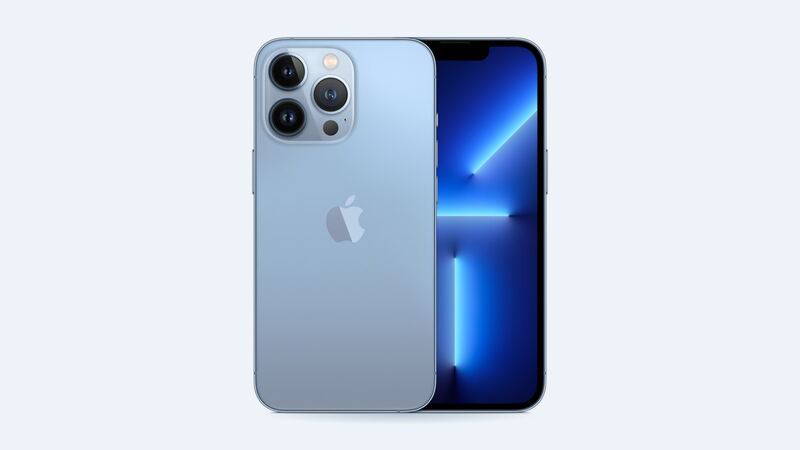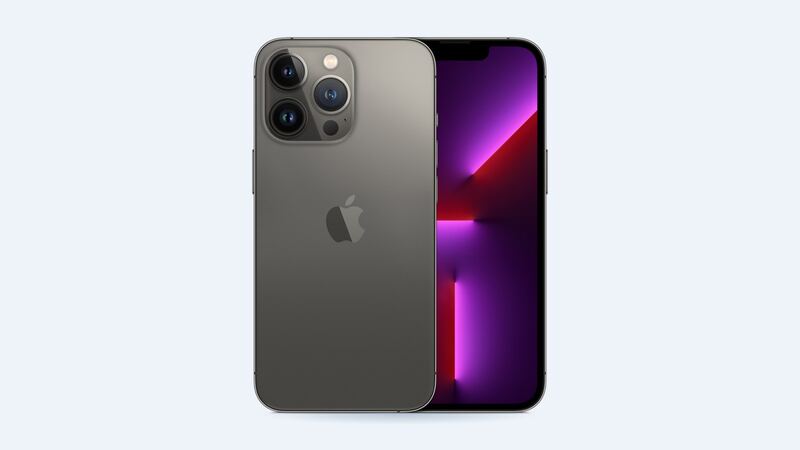
The iPhone 13 Pro has a really nice screen. It's a 6.1-inch OLED with ProMotion, which means it can refresh up to 120 times a second. That's why scrolling feels buttery. It's also why the cheapest replacement screen can feel like a downgrade the second you swipe through your photos.
So before you hand your cracked phone to anyone, it helps to know the three kinds of screens out there and what each one actually gets you.
What Apple charges for an iPhone 13 Pro
| Repair | Apple price | With AppleCare+ |
|---|---|---|
| Cracked screen | $279 | $29 |
| Screen and back glass | $609 | Ask Apple for your plan |
| Back glass only | $509 | $29 |
| Battery | $89 | $0 (under 80% health) |
| Other damage | $609 | $99 |
Apple's numbers are estimates. Apple inspects the phone first and sets the final fee after that, so a bent frame or a dead Face ID module can push the price up.
Your three screen options
| Screen type | Typical installed price | What you get |
|---|---|---|
| Aftermarket LCD (incell) | $70 to $120 | Cheapest. Dimmer, thicker borders, no true blacks, uses more battery |
| Aftermarket OLED | $120 to $200 | Close to the original look with true blacks. Colors and brightness can differ slightly |
| Genuine Apple | $279 at Apple | Original quality, all features, Apple repair warranty |
Here's the honest version. An LCD on a phone that shipped with OLED is a real step down. Blacks look gray, the border gets chunkier, and battery life takes a hit because an LCD backlight is always on. If the phone is going in a drawer as a backup, fine. If it's your daily phone, skip it.
A good aftermarket OLED is the sweet spot for most people keeping the phone a while. It looks a lot closer to the original. The catch is quality varies a lot between suppliers.
Face ID, True Tone and that "Unknown Part" message
When the iPhone 13 first came out, swapping the screen outside Apple could disable Face ID. That was fixed in iOS 15.2, so a careful shop swap today keeps Face ID working. True Tone is a different story. On a non-genuine screen, True Tone usually stops working, and the tech may need to transfer data from your old screen to keep it.
Apple also tracks the display in Settings > General > About > Parts and Service History. A non-genuine screen can show up there as an Unknown Part. The phone still works normally, but Apple says it can affect trade-in value. If you plan to trade the phone in soon, that's a point for the genuine screen.
How to tell what's actually broken
- Glass cracked, picture perfect, touch works: just the screen. Easy repair.
- Black spots, green lines or ink-blot patches: the OLED panel underneath is damaged. Still a screen replacement, but don't wait. These spread.
- Screen black but the phone rings and vibrates: often the display, but could be the connector or logic board. Ask for a diagnosis first.
- Face ID stopped working after the drop: tell the shop up front. The dot projector sits up top and can get hurt in the same hit.
Apple or a shop?
Go to Apple ($279) if you have AppleCare+ (then it's just $29), if you're trading the phone in within a year, or if you want the screen to look and behave exactly like it did on day one. You can also mail it in using Apple's prepaid box.
Go to a shop with an OLED ($120 to $200) if you're keeping the phone for another couple of years and want to save around $100. Get the price in writing, ask about the warranty on the part, and ask whether it does 120Hz.
Before you drop it off
- Back up to iCloud or a computer. Screen repairs rarely wipe data, but rarely isn't never.
- Turn off Find My only if Apple asks you to for the repair.
- Snap a photo of the cracked phone, front and back. If a scratch shows up later, you have proof.
Worth it?
Yes, for most people. The 13 Pro still gets iOS updates and still has a great camera, so a screen repair buys plenty more life. If the back is cracked too, read our guide on the iPhone 13 Pro back glass first, because that repair is where the cost really jumps. Every price is on the iPhone 13 Pro repair page.
Apple prices checked October 14, 2026. Shop prices are typical US ranges.