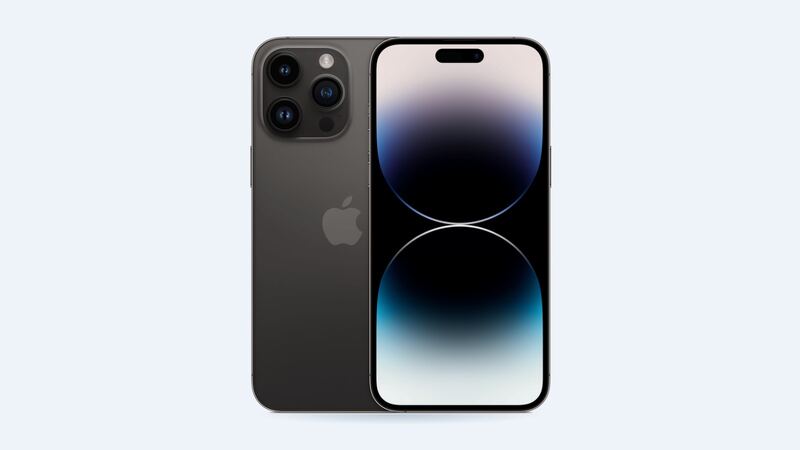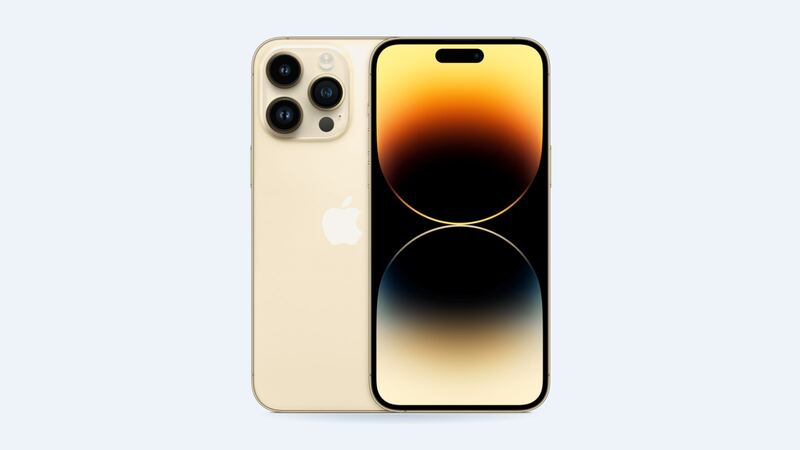
The iPhone 14 Pro Max was the first iPhone with the Dynamic Island and an Always-On display. Its 6.7-inch OLED screen runs ProMotion at up to 120Hz. It's a gorgeous screen. That's exactly why picking the replacement matters so much here: the cheapest option throws away a lot of what made this phone special.
What Apple charges for an iPhone 14 Pro Max
| Repair | Apple price | With AppleCare+ |
|---|---|---|
| Cracked screen | $379 | $29 |
| Screen and back glass | $649 | $29 each (screen and back) |
| Back glass | $609 | $29 |
| Rear camera | $219 | Not listed separately |
| Battery | $99 | $0 under 80% health |
| Other damage | $759 | $99 |
These are Apple's US out-of-warranty prices, before tax. Apple inspects the phone first, so the price can change if there's frame or liquid damage.
Your three screen options
| Screen | Typical price | What you get |
|---|---|---|
| Aftermarket LCD | $70 to $120 | Cheapest. Grayish blacks, less brightness, more battery drain, and you lose ProMotion |
| Aftermarket OLED | $120 to $200 | True blacks and a look close to the original. Color, brightness and smoothness can vary by brand |
| Genuine Apple | $379 at Apple | The real panel, with all the features working, plus Apple's repair warranty |
Refurbisher Plug Tech puts it bluntly: swapping this phone's OLED for a cheap LCD means you lose the deep blacks, ProMotion, brightness and battery life. On a Pro Max, that's a big step down.
Is it the glass or the display?
The glass and the OLED panel are one part, so a crack means a full screen swap. Here's how to judge the urgency:
- Picture perfect, touch works: cosmetic for now, but cracks spread.
- Green line, pink line, or black spots: the OLED is damaged and won't recover.
- Ghost touches: fix it soon. The phone may start tapping things by itself.
- Always-On display looks blotchy or burned: that's panel damage too.
- Screen lifting at an edge: see the warning below.
Free fixes to try first
- Force restart: press and release volume up, press and release volume down, then hold the side button until the Apple logo appears.
- Remove the screen protector. A cracked protector can cause touch issues all by itself.
- Update iOS in Settings > General > Software Update.
Which option makes sense?
The gap between Apple and a shop is big on this model: $379 vs. $120 to $200 for an OLED. That's $179 to $259 saved. For a phone that came out in 2022, a good aftermarket OLED is a very reasonable choice.
- AppleCare+: $29 at Apple. Easy.
- Keeping it a couple more years: a quality OLED from a shop with a real warranty.
- Trading in soon: genuine, because non-Apple parts show as Unknown under Settings > General > About, and Apple says that can affect trade-in value.
- Just need it working: an LCD works, but you'll notice the difference every day.
After a non-Apple screen repair
- You'll see a notice about an unknown part the first time you unlock, and again five days later. It doesn't stop the phone from working.
- True Tone needs the shop to transfer it from your old screen.
- Genuine screens on the iPhone 14 lineup can be finished with Apple's Repair Assistant.
What to ask the shop
- Is it an LCD, an aftermarket OLED or a genuine Apple screen?
- Is it 120Hz? Does the Always-On display work?
- Will you transfer True Tone?
- What's the warranty, and does it cover dead pixels and touch?
- Is the price all-in, with tax?
Is it worth fixing?
Yes. The iPhone 14 Pro Max is on Apple's iOS 27 support list, and it's still a great phone. A $120 to $200 OLED gives it years more life. Just don't pair a big repair with a dying battery: if your battery health is low, do both at once.
Cracked the back too? Read our iPhone 14 Pro Max back glass guide first, because that repair is a lot more expensive on this model. Every price is on the iPhone 14 Pro Max page.
Apple prices checked October 14, 2026. Shop prices are typical US ranges.