A 4Runner is heavy, it tows, it goes off-road and a lot of them live where roads get salted. All of that is hard on brakes. The good news is that a basic pad job is not expensive. The trick is knowing whether you need just pads, pads and rotors, or a caliper too.
What it costs
| Repair | 4Runner years | RepairPal estimate |
|---|---|---|
| Brake pads (one axle) | 2010-2014 | $303-$360 |
| Brake pads (one axle) | 2015-2016 | $273-$330 |
| Brake pads (one axle) | 2022 | $280-$337 |
| Brake pads (one axle) | 2023-2024 | $274-$331 |
| Brake pads (one axle) | 2025 | $417-$474 |
| Brake caliper | 2010-2015 | $636-$693 |
| Brake caliper | 2016, 2021-2024 | $541-$598 |
| Brake caliper | 2025 | $617-$686 |
RepairPal doesn't clearly list every year (2017-2020 pad prices aren't shown, for example), so use the nearest year as a ballpark. Rotors add parts and labor on top of pads. A dealer will usually be at the top of these ranges or above.
What owners actually run into
TrueDelta collects real owner repair reports. For the 2010-2021 4Runner, the most common brake complaints are:
- Sticking or seized calipers. A 2016 owner had front brakes sticking at about 13,000 miles. A 2017 owner paid $675 for frozen front calipers at 66,000 miles, with the dealer covering parts.
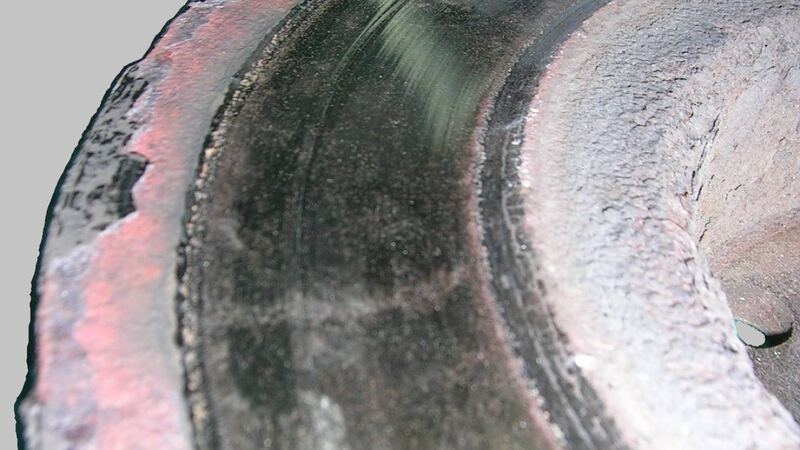
- Warped or unevenly worn rotors. A 2016 had warped front rotors at about 28,500 miles. A 2010 had uneven rotor wear and shaking at 151,000 miles, and resurfacing fixed it for $70.
- ABS and wheel speed sensor faults, including a 2010 with a damaged sensor wire.
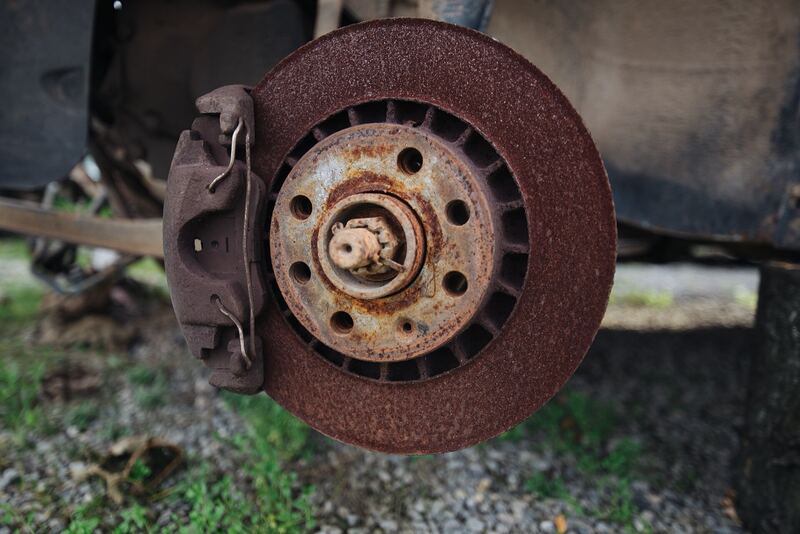
- Salt-belt corrosion. One owner replaced calipers, rotors and pads at about 40,700 miles.
Owner-reported full brake jobs (calipers, rotors and pads) on 2010-2013 trucks ran about $650 to $1,000 at independent shops.
Which repair do you need?
- Squeal when braking, nothing else: probably pads at the wear indicator. Pads only.
- Grinding: pads are gone and you may be cutting into the rotor. Pads and rotors, and do it now.
- Steering wheel shakes when braking from speed: rotors are uneven. Resurface or replace, plus pads.
- Pulls to one side, a hot smelly wheel, one pad worn way more than the other: a sticking caliper or slide pins.
- ABS light on: wheel speed sensor or wiring, not a brake job.
Easy things to try first
- Check the brake fluid level and color. Low fluid can mean worn pads or a leak. Dark fluid is due for a flush.
- Look through the wheel spokes. You can often see pad thickness on the front calipers.
- Clean and lube the slide pins. On a lot of "sticking" calipers, the caliper is fine and the slide pins are dry or rusty. This is part of a good brake job anyway.
- Torque lug nuts properly. Uneven impact-gun tightening is a common suspect for rotor wobble.
What to ask the shop
- "Are you replacing pads only, or pads and rotors? Can the rotors be resurfaced?"
- "Did you clean and lube the caliper slide pins?"
- "If a caliper is bad, are you replacing them as a pair?"
- "Is a brake fluid flush included, and do I need one?"
- "OEM, or which aftermarket brand?"
Is it worth fixing?
Always. Brakes are a safety repair, and on a 4Runner that holds its value like a 4Runner, a few hundred dollars for pads or even a pair of calipers is a no-brainer. Just make sure you're paying for the repair you need, not a full brake job you don't. More 4Runner help is on the Toyota 4Runner page, and for clunks and leaking shocks see our 4Runner suspension guide. Prices checked October 14, 2026.