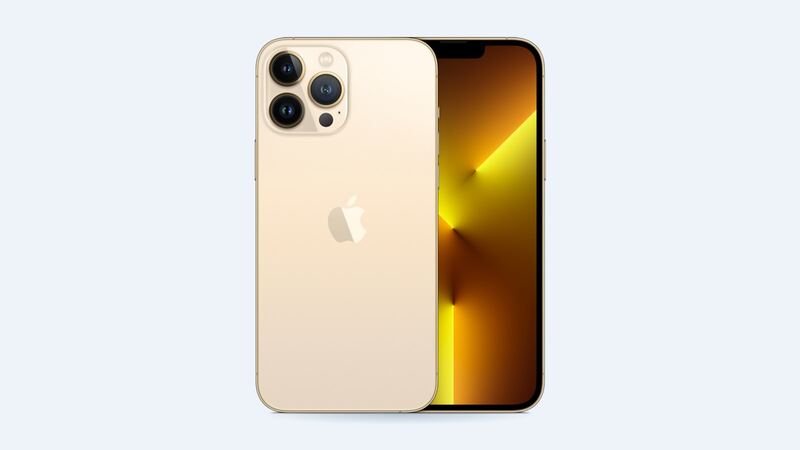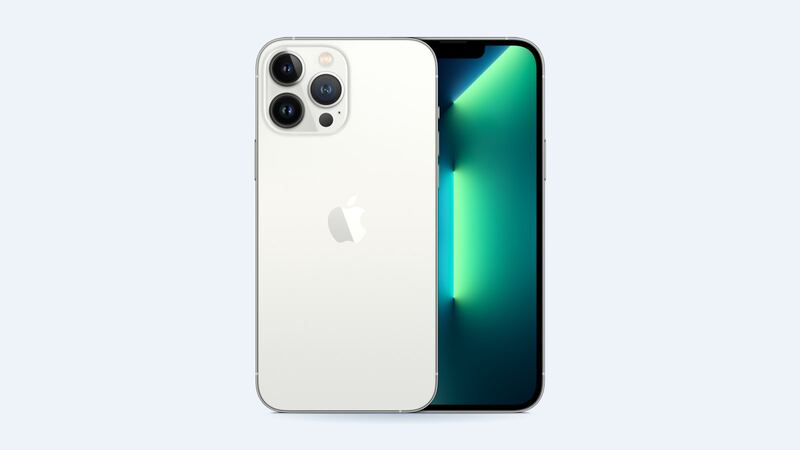
The 13 Pro Max has the biggest screen of the iPhone 13 family: 6.7 inches of OLED with ProMotion up to 120Hz. Big screens crack easily (more glass, more leverage when it lands on a corner), and they cost more to replace. Apple's price is $50 more than the regular 13 Pro.
Here's how to figure out which fix makes sense for your phone and your budget.
What Apple charges
| Repair | iPhone 13 Pro Max | With AppleCare+ |
|---|---|---|
| Cracked screen | $329 | $29 |
| Back glass | $559 | $29 |
| Screen and back glass | $659 | Ask Apple for your plan |
| Battery | $89 | $0 (under 80% health) |
| Other damage | $659 | $99 |
Those are Apple's estimates for the US. Apple inspects the phone and sets the final price after, so extra damage like a bent frame can change the number. Apple Authorized Service Providers set their own prices, so a quote from one of them can be different.
The three screen options
| Screen type | Typical installed price | What you get |
|---|---|---|
| Aftermarket LCD (incell) | $70 to $120 | Cheapest. Dimmer, thicker borders, no true blacks, uses more battery |
| Aftermarket OLED | $120 to $200 | Close to the original look with true blacks. Colors and brightness can differ slightly |
| Genuine Apple | $329 at Apple | Original quality, every feature, Apple repair warranty |
On a Pro Max, the LCD option hurts a little more than usual. A big chunk of why people buy this phone is the screen and the battery life. An LCD panel looks grayer and burns more power, so you lose a bit of both. That's a strange trade on a phone Apple rated for up to 28 hours of video playback when new.
Signs it's more than just cracked glass
- Lines, green tint or black blobs spreading from the crack: the OLED layer is damaged.
- Touch works in some spots but not others: the digitizer is damaged. It's all one part on this phone, so it's still a screen replacement.
- Phone works but the screen is totally black: could be the display or its connector. A shop can test with a known-good screen in a few minutes.
- Face ID fails after the drop: mention it before the repair. It's a separate problem and a shop can't fix it by swapping the screen.
Face ID, True Tone and Parts and Service History
Early on, a non-Apple screen swap on an iPhone 13 could knock out Face ID. Apple fixed that in iOS 15.2, so a careful shop repair keeps Face ID working today. True Tone usually doesn't carry over to a non-genuine screen unless the shop transfers the data from your old one.
Your iPhone also lists the display under Settings > General > About > Parts and Service History. A non-genuine screen can show as Unknown Part. Apple says that doesn't affect normal use, but it might lower trade-in value.
Easy things to do right now
- Put a cheap screen protector over the cracks so glass doesn't flake into your thumb.
- Back up the phone tonight. Cracks can spread, and a dead screen makes backups harder.
- If ghost touches start (apps opening by themselves), turn on a passcode and avoid leaving the phone unlocked in your pocket.
Apple or a shop?
Apple at $329 makes sense if you have AppleCare+, if you're going to sell or trade the phone in soon, or if you just want the original display back.
A shop OLED at $120 to $200 makes sense if you're keeping this phone for another couple of years. You save well over $100 and still get true blacks. Ask for the price and warranty in writing.
An LCD at $70 to $120 really only makes sense for a backup phone or a kid's hand-me-down.
Is it worth fixing?
Usually, yes. The 13 Pro Max runs iOS 27, the cameras are still great and the battery is the best of the 13 lineup. If your battery is also tired, pair the repairs. Our iPhone 13 Pro Max battery guide walks through that $89 decision. Every price is on the iPhone 13 Pro Max repair page.
Apple prices checked October 14, 2026. Shop prices are typical US ranges.